Introduction
Crate training can make puppy life easier, calmer, and more predictable. However, many new owners wonder how to crate train a puppy fast without creating fear or stress. The key is to make the crate feel safe rather than treating it as punishment. A consistent routine, positive reinforcement, and patience can help your puppy adjust quickly. Nighttime training also becomes easier when your puppy understands what to expect. Separation anxiety requires a gentler approach because rushing can increase distress.
If you want broader guidance, explore this helpful Puppy Training Pillar for additional training ideas and puppy-care information. With the right approach, crate training can become a valuable part of your puppy’s daily routine.
How to Crate Train a Puppy Fast
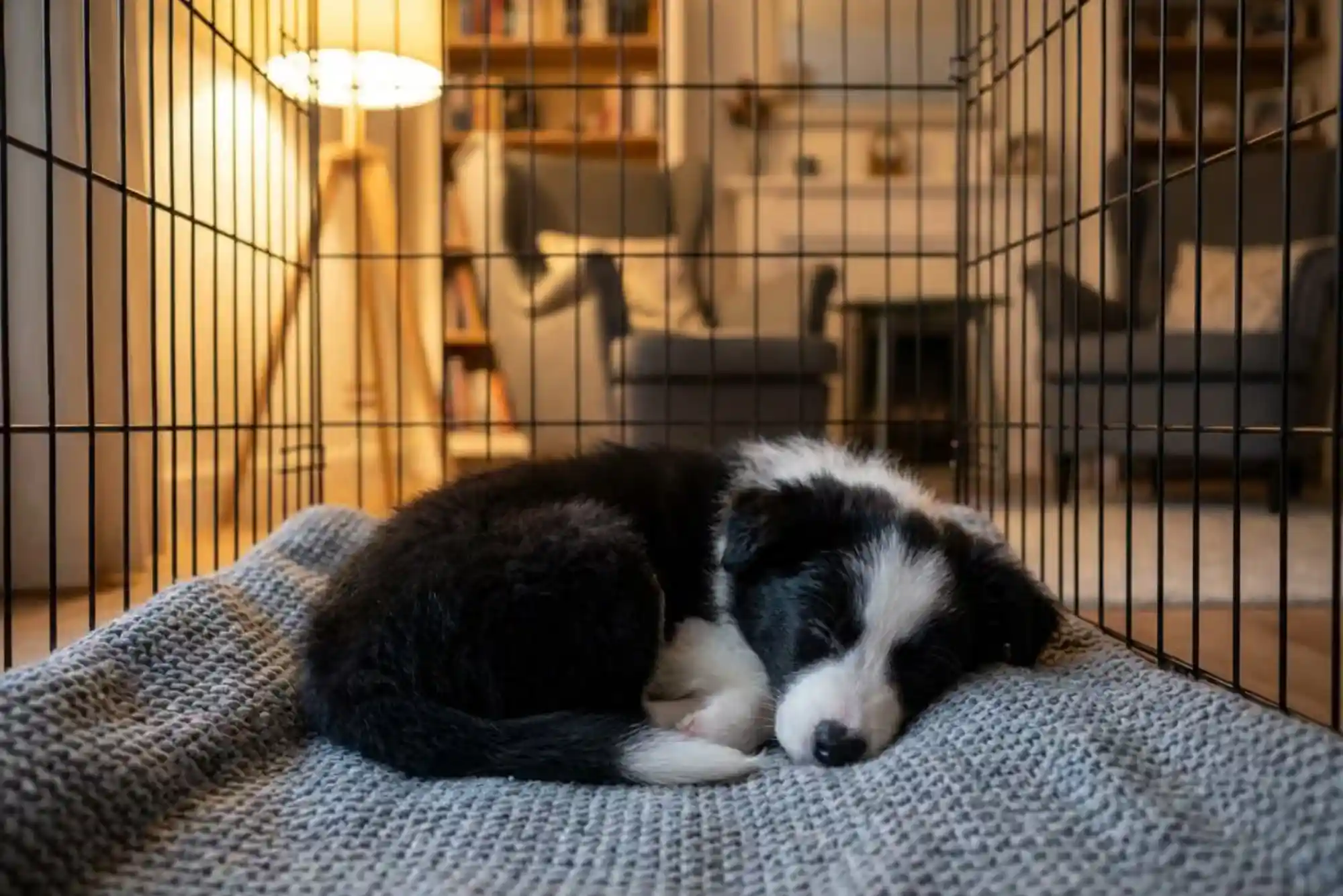
The fastest effective approach is not about forcing your puppy into the crate. Instead, focus on creating positive associations from the beginning. Place the crate somewhere comfortable where your puppy can still feel connected to the household. Add suitable bedding and a safe puppy-approved toy.
Leave the crate door open initially. Allow your puppy to investigate it independently. You can place a few treats near the entrance and gradually move them farther inside. When your puppy enters voluntarily, offer praise and another reward.
During the first sessions, avoid immediately closing the door. Your puppy needs time to understand that entering the crate does not mean losing freedom. Once your puppy comfortably enters, briefly close the door while remaining nearby. Open it before your puppy becomes distressed.
Gradually increase the time behind the closed door. Always progress at a pace your puppy can handle. This approach can help you learn how to crate train a puppy fast without sacrificing your puppy’s emotional comfort.


Make the Crate a Positive Place
A puppy is more likely to enjoy the crate when good things happen there. Meals can sometimes be served near or inside the crate. Treats can also reward calm behavior around the crate.
Avoid pushing, dragging, or forcing your puppy inside. These actions can create negative associations. Instead, encourage voluntary entry and reward relaxed behavior.
Your tone also matters. Use a calm and encouraging voice during training. Puppies quickly notice changes in human energy and body language. A relaxed owner can make the training environment feel safer.
Consider making the crate part of normal household life. It should not only appear when you leave home. Short daytime crate sessions can prevent your puppy from associating it exclusively with separation.
For additional puppy resources and general training information, Londonking can provide another useful starting point for responsible puppy care.
How to Crate Train a Puppy Fast at Night
Nighttime crate training is often challenging because puppies are adjusting to a completely new environment. They may cry because they feel lonely, need the toilet, or simply dislike the sudden change.
Start by placing the crate close to your sleeping area. Your puppy can then hear and smell you during the night. This can provide reassurance while your puppy develops confidence.
Take your puppy outside for a toilet break shortly before bedtime. Keep the final activity calm rather than exciting. Afterward, place your puppy in the crate with minimal stimulation.
Young puppies may still need nighttime toilet breaks. Their bladder control is limited, especially during the first weeks. If your puppy wakes and appears genuinely restless, provide a quiet toilet opportunity.
Keep nighttime bathroom trips boring and brief. Avoid turning them into play sessions. This teaches your puppy that nighttime is for sleeping.
If your puppy makes occasional noises, listen for context. A brief complaint may settle naturally. Persistent distress, however, should not simply be ignored. Your puppy may need reassurance or a bathroom break.
Helping a Puppy With Separation Anxiety
Crate training and separation training should develop gradually. A puppy that becomes distressed whenever you leave may need additional support.
Start with very short periods apart. Ask your puppy to remain in the crate while you stay nearby. Then step away briefly and return calmly. Repeat the exercise several times.
Gradually increase the distance and duration. You might initially leave the room for only a few seconds. Later, you can extend that period to several minutes.
The goal is to teach your puppy that departures are temporary. Returning should also remain calm. Excessive greetings can unintentionally make departures and reunions feel more significant.
Watch your puppy’s body language. Excessive barking, frantic scratching, drooling, trembling, or attempts to escape can indicate significant distress. If these signs appear, make the exercise easier.
Never use the crate as a way to punish separation-related behavior. The crate should remain a secure space. If separation anxiety is severe, consider speaking with a qualified veterinarian or veterinary behavior professional.
Common Crate Training Mistakes to Avoid
Many crate training problems happen because owners move too quickly. A puppy may enter the crate willingly but become upset when the door closes. That means the next step needs to be smaller.
Another common mistake is using the crate exclusively when leaving home. This can make your puppy immediately associate it with being alone. Use short crate periods while you remain at home too.
Avoid keeping a puppy confined for excessive periods. Puppies need regular toilet opportunities, exercise, social interaction, training, and mental stimulation.
Never use the crate as punishment after an accident. House-training mistakes are normal during puppyhood. Clean the area thoroughly and improve the toilet schedule instead.
Consistency also matters. Everyone in the household should follow similar crate-training rules. Mixed signals can slow progress and create unnecessary confusion.
Following Humane Crate Protocols can also help owners maintain a humane, positive approach to crate use.
Build a Reliable Daily Routine
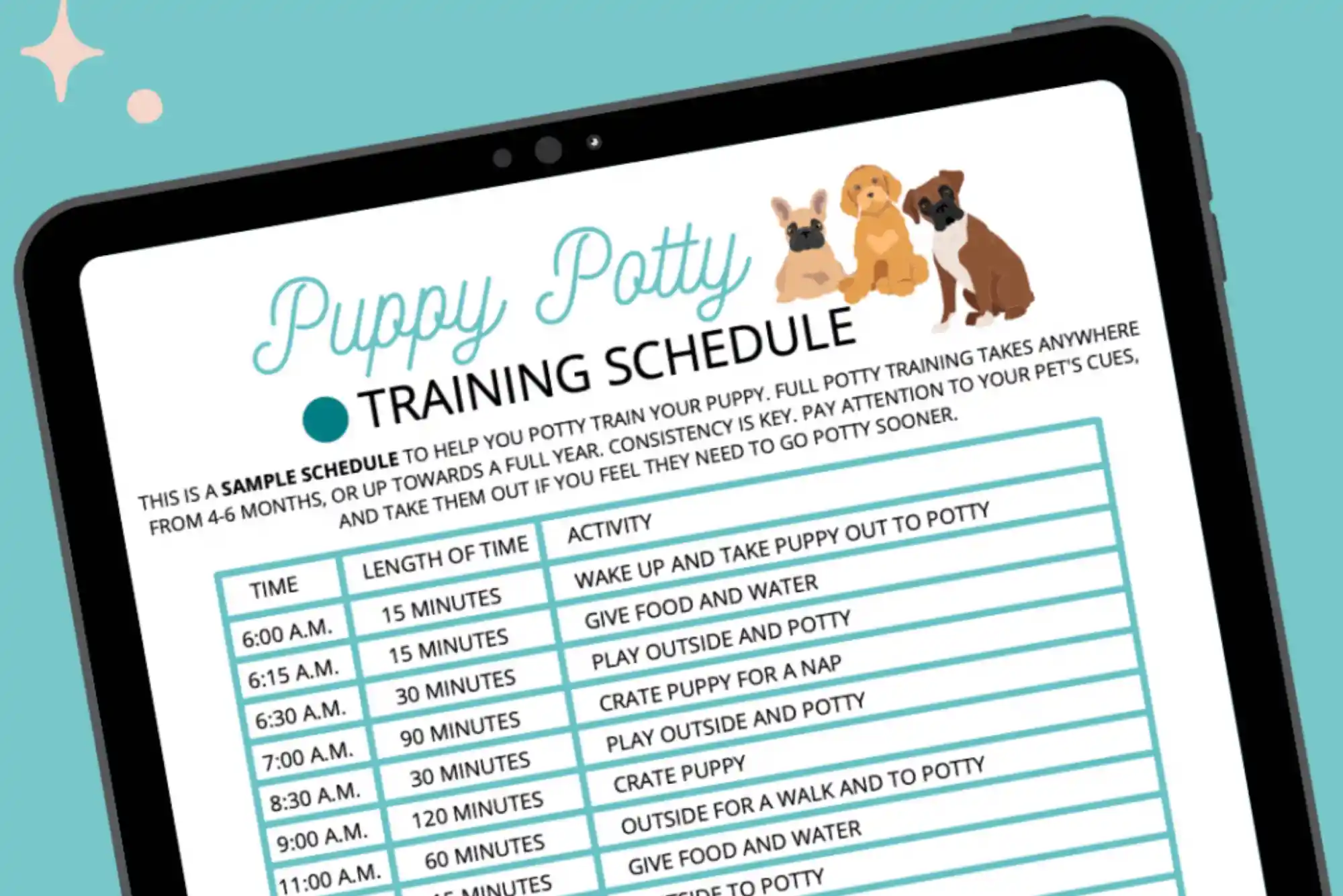
A predictable schedule can make crate training significantly easier. Puppies generally respond well when meals, play, toilet breaks, rest, and training happen around consistent times.
After waking, take your puppy outside promptly. Toilet breaks are also important after eating, drinking, playing, and sleeping. Recognizing these predictable moments can reduce accidents.
Include short training sessions throughout the day. Practice entering the crate, relaxing inside, and remaining calm when the door closes. Keep sessions positive and age-appropriate.
Exercise can also support better crate behavior. A puppy with appropriate physical and mental activity may settle more easily. However, avoid exhausting your puppy through excessive exercise.
Before a longer crate period, provide an appropriate toilet break and some calm interaction. Then offer a safe activity that encourages relaxation.
How Long Does Crate Training Take?
Every puppy develops at a different pace. Some puppies become comfortable with the crate within several days. Others need several weeks of gradual practice.
Age, previous experiences, temperament, household routines, and training consistency can all influence progress.
The phrase how to crate train a puppy fast should therefore mean efficient and positive training rather than instant results. Rushing can create setbacks that ultimately make training take longer.
Look for small signs of progress. Your puppy may begin entering the crate voluntarily, settling faster, or remaining calm when you briefly leave the room.
These improvements show that your puppy is developing confidence.
What to Do When Your Puppy Cries
Puppy crying can be difficult for new owners. First, determine why your puppy may be vocalizing. Your puppy could need the toilet, feel uncomfortable, be hungry, or simply want attention.
If a toilet break is likely, calmly take your puppy outside. Keep the interaction quiet and return directly to the crate afterward.
If your puppy is safe, comfortable, and has recently toileted, brief complaining may settle without intervention. However, prolonged or escalating distress should not be treated as something your puppy must simply endure.
Training should build confidence rather than fear. If your puppy repeatedly panics inside the crate, reduce the duration and return to easier exercises.
A slower step can often produce faster long-term progress.
FAQ
How quickly can you crate train a puppy?
Some puppies become comfortable with basic crate routines within several days. However, complete crate training can take weeks. Progress depends on the puppy’s age, temperament, previous experiences, and consistency.
Is it OK to let a puppy cry in a crate at night?
Brief complaining can occur during adjustment. However, prolonged distress should not be ignored automatically. Check whether your puppy needs the toilet or has another immediate need. Keep nighttime interactions calm and predictable.
How do I stop my puppy from having separation anxiety in a crate?
Start with extremely short periods of separation. Gradually increase the duration while your puppy remains calm. Avoid progressing when your puppy shows significant distress. Severe anxiety may require professional behavioral guidance.
Should I put a puppy in a crate when they misbehave?
No. The crate should not be used as punishment. It should remain associated with safety, rest, comfort, and positive experiences. Using it for punishment can make future crate training harder.
Should a puppy sleep in a crate overnight?
A crate can provide a secure sleeping environment when introduced appropriately. Keep the crate comfortable and appropriately sized. Young puppies may need nighttime toilet breaks because bladder control develops gradually.
Conclusion
Learning how to crate train a puppy fast is easier when you focus on positive experiences and consistent routines. Introduce the crate gradually, reward voluntary entry, and increase confinement time slowly. Nighttime training should remain calm and predictable.