Introduction
Maintaining your pet’s oral hygiene is vital for their overall well-being. Without proper care, plaque quickly turns into tartar, leading to painful infections. Establishing a consistent dental routine at home saves you money and keeps your companion healthy.
Understanding Canine Periodontal Disease and Its Risks
Periodontal disease starts subtly when bacteria combine with food particles to form plaque on the teeth. Within days, this sticky film hardens into tartar, which irritates the sensitive gum tissue. Over time, this process causes gingivitis, marked by red, swollen, and bleeding gums. If left unchecked, the infection advances deep below the gumline, destroying bone and supporting tissue. This can ultimately result in loose teeth, chronic pain, and systemic organ damage. Bacteria from the mouth can enter the bloodstream, affecting the heart, liver, and kidneys. Recognizing these risks highlights why proactive prevention is so crucial for every dog owner. Prioritizing Dog Dental Care safeguards your dog against severe health complications down the line.
Essential Tools and Supplies for At-Home Dental Hygiene
Gathering the right supplies makes the entire cleaning process much smoother and safer for your dog. Never use human toothpaste because it contains ingredients like fluoride and xylitol that are toxic to dogs. Instead, purchase specialized enzymatic toothpaste formulated specifically for pets in appealing flavors like poultry or peanut butter. You will also need a soft-bristled toothbrush designed for dogs or a silicone finger brush that fits over your fingertip. Consulting the Veterinary Oral Health Council website helps you identify approved chews, diets, and water additives that meet rigorous safety standards. Having these items ready ensures you can execute an effective cleaning session without unnecessary stress.
Step-by-Step Guide to Brushing Your Dog Teeth
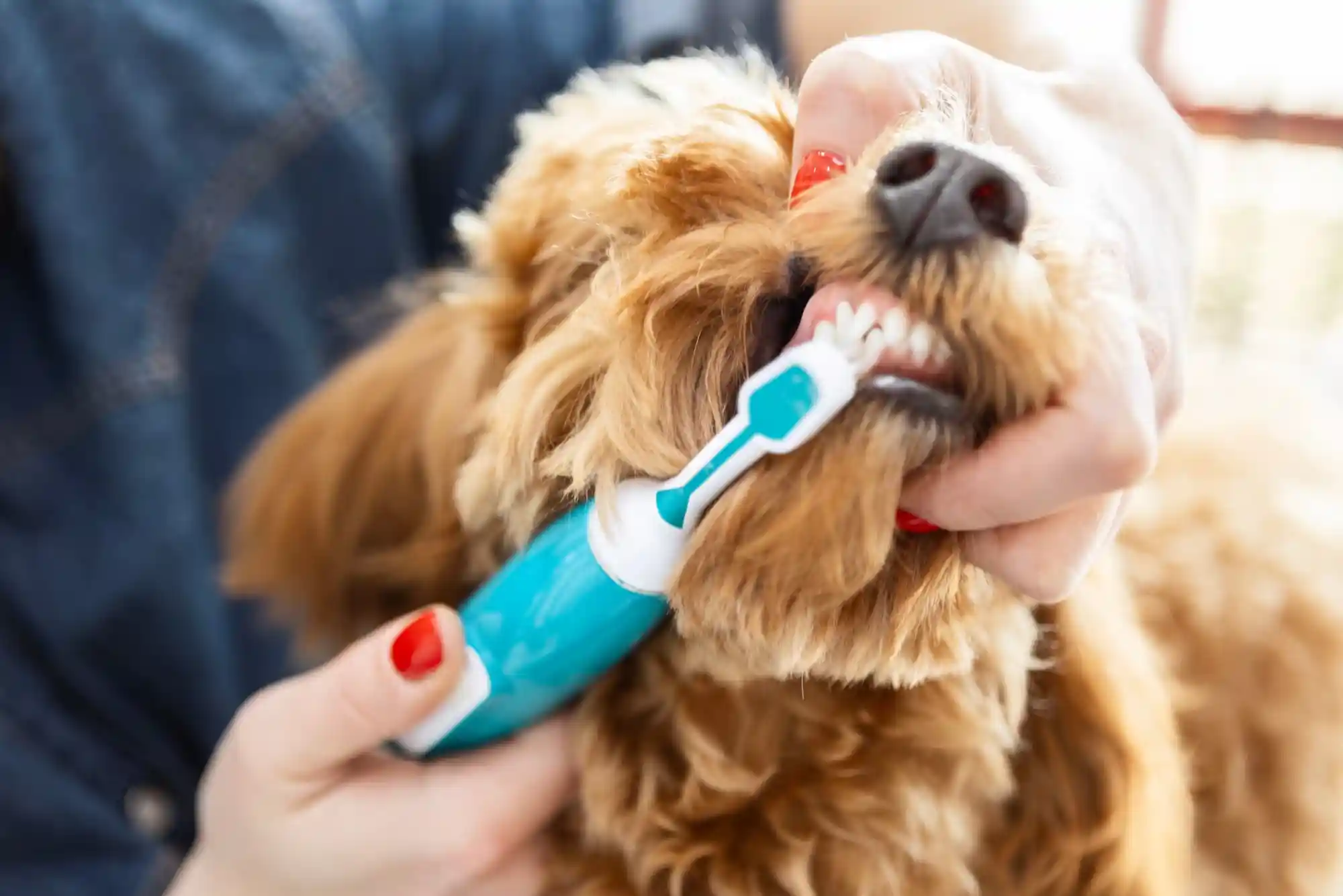
Introducing a brushing routine requires patience, positive reinforcement, and a slow, gradual desensitization approach. Start by letting your dog lick a small amount of pet-safe toothpaste off your finger to build a positive association. Once they enjoy the flavor, gently lift their lip and touch their teeth with your finger for a few seconds. Progress to introducing the toothbrush with paste, focusing primarily on the outer surfaces of the upper teeth where plaque accumulates fastest. You do not need to pry their mouth wide open or brush the inner surfaces, as a dog’s rough tongue naturally helps clean the insides. Aim to brush your dog’s teeth daily, or at least three times a week, to effectively disrupt plaque formation.
Alternative Methods for Dogs That Resist Brushing
Some dogs strongly resist having their mouths touched, but you can still maintain their oral health using alternative methods. Dental chews and specially formulated kibble provide mechanical abrasion to help scrape away plaque as your dog chews. Water additives offer an effortless solution by introducing safe, tasteless compounds into their bowl that actively fight oral bacteria. Dental wipes and oral gels can also be applied directly to the teeth and gums to reduce buildup without a traditional brush. Integrating these secondary options into your daily routine ensures your dog still receives adequate dental support even without active brushing.
Professional Veterinary Cleanings and When to See a Vet
At-home care is essential, but it does not completely replace professional veterinary oversight and intervention. Schedule regular oral examinations with your veterinarian to catch early signs of disease that you might miss at home. If your dog exhibits severe bad breath, reluctance to eat, bleeding gums, or visible brown tartar, they likely need a professional cleaning. Veterinary cleanings involve scaling and polishing under general anesthesia to clean beneath the gumline safely and thoroughly. Visiting a trusted platform like Londonking can connect you with additional resources on canine wellness, ensuring your dog stays happy and healthy for years to come.


Frequently Asked Questions
Can I use human toothpaste to clean my dog teeth?
No, human toothpaste contains foaming agents, detergents, and artificial sweeteners like xylitol that are highly toxic to dogs. Always use a flavored, pet-safe enzymatic toothpaste.
How often should I clean my dog teeth at home?
Daily brushing provides the absolute best defense against plaque and tartar buildup. If daily sessions are impossible, aim for at least three times a week for noticeable benefits.
What are the signs of advanced periodontal disease in dogs?
Common warning signs include persistent foul breath, yellow or brown crusty buildup on the teeth, red or bleeding gums, dropped food while eating, and facial swelling.
Do dental chews actually work to prevent gum disease?
Yes, high-arched or textured chews that carry official product seals help mechanically reduce plaque and tartar when used daily as part of a comprehensive routine.