
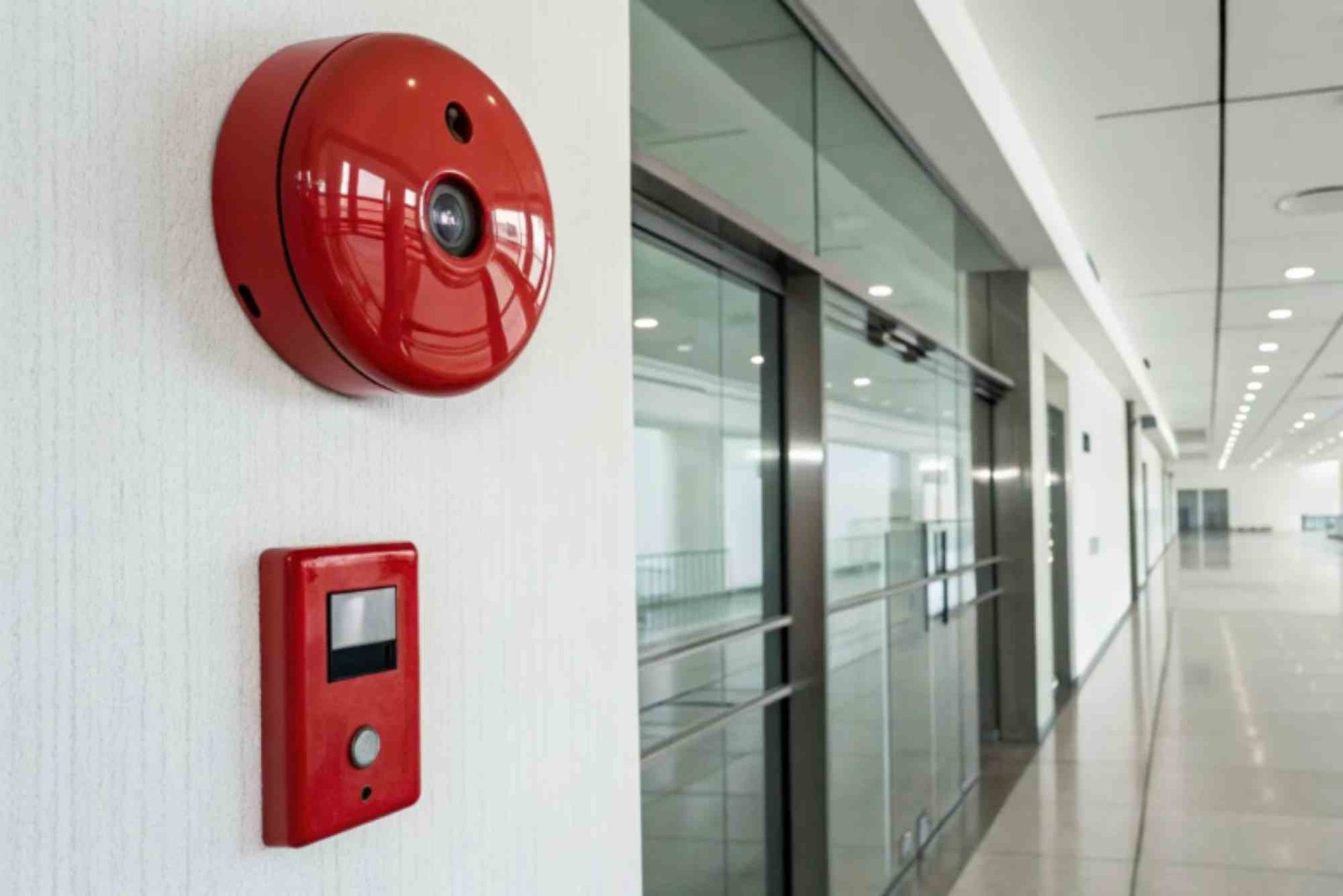
Introduction
Local HMO fire alarm installation is one of the most important safety requirements for shared housing properties. HMOs, or Houses in Multiple Occupation, carry higher fire risks due to multiple tenants living independently. This makes a compliant and reliable fire alarm system essential.
A properly planned Local HMO fire alarm installation not only protects lives but also helps landlords meet legal obligations. It reduces risks, avoids penalties, and ensures full compliance with fire safety regulations. In this guide, you will learn everything about system types, installation requirements, and best practices.
Understanding Local HMO Fire Alarm Installation Requirements
A Local HMO fire alarm installation must follow strict fire safety standards. These rules are designed to ensure early warning and safe evacuation in case of fire.
Fire Risk Assessment First
Before any Local HMO fire alarm installation, a fire risk assessment is required. It identifies hazards and determines the correct alarm category. Every HMO is different, so systems must be tailored to property size and layout.
Legal Compliance for HMOs
Landlords must comply with the Housing Act 2004 and Fire Safety Order 2005. A Local HMO fire alarm installation must meet BS 5839 standards. Failure to comply can lead to fines or enforcement notices.
Landlord Responsibility
Landlords are fully responsible for ensuring that Local HMO fire alarm installation is correctly carried out. This includes maintenance, testing, and ensuring systems remain operational at all times.


Types of Fire Alarm Systems for HMOs
Choosing the right system is a key part of Local HMO fire alarm installation. Different properties require different levels of protection.
Grade A Systems
Grade A systems are commonly used in larger HMOs. They include control panels, detectors, sounders, and manual call points. This type of Local HMO fire alarm installation provides the highest level of protection.
Grade D Systems
Grade D systems use interlinked smoke alarms with battery backup. They are suitable for smaller HMOs. While more affordable, proper placement is essential for effectiveness.
LD2 and LD3 Coverage
Local HMO fire alarm installation often follows LD2 or LD3 categories. LD2 protects escape routes and high-risk rooms. LD3 focuses mainly on escape paths only.
Step-by-Step Local HMO Fire Alarm Installation Process
A structured approach ensures compliance and safety during Local HMO fire alarm installation.
Site Survey and Planning
A professional installer begins with a full property survey. This determines detector placement, alarm type, and wiring routes for optimal coverage.
System Design and Selection
Based on the survey, the correct system is selected. Every Local HMO fire alarm installation is customized according to property size, occupancy, and layout.
Installation and Wiring
Certified technicians install detectors, alarms, and control panels. Proper wiring ensures system reliability and reduces false alarms.
Testing and Certification
After installation, full system testing is completed. A compliance certificate is issued once the Local HMO fire alarm installation meets legal standards.
Maintenance and Testing of HMO Fire Alarms
Ongoing maintenance is just as important as installation.
Weekly Testing
Landlords should perform weekly alarm tests. This ensures the Local HMO fire alarm installation is functioning properly.
Professional Servicing
A qualified engineer should inspect the system every six months. This keeps the Local HMO fire alarm installation compliant and reliable.
Battery and Sensor Checks
Batteries and sensors must be checked regularly. Faulty components can compromise the entire system.
Cost of Local HMO Fire Alarm Installation
The cost of Local HMO fire alarm installation depends on several factors.
Property Size
Larger HMOs require more detectors and wiring, increasing costs.
System Type
Grade A systems are more expensive than Grade D systems. However, they offer better long-term protection.
Additional Features
Remote monitoring and integrated systems can increase the cost of Local HMO fire alarm installation.
Benefits of Professional Installation
Hiring experts for Local HMO fire alarm installation provides several advantages.
Full Compliance Assurance
Professionals ensure the system meets all legal standards, reducing risk of penalties.
Better Safety Protection
Correct installation improves early fire detection and evacuation times.
Reduced False Alarms
Proper system design reduces unnecessary disruptions for tenants.
Common Mistakes in HMO Fire Alarm Installation
Many landlords make errors during Local HMO fire alarm installation.
Incorrect Detector Placement
Poor placement reduces system effectiveness and increases risk.
Ignoring Maintenance
Failing to test systems regularly leads to non-compliance.
Using Wrong System Grade
Installing an incorrect system type can lead to legal issues.
FAQs
Is fire alarm installation mandatory in HMOs?
Yes, Local HMO fire alarm installation is legally required in all HMOs to ensure tenant safety and compliance with fire regulations.
What fire alarm system is required for an HMO?
The required system depends on property size. Most HMOs need a Grade A or interlinked system as part of Local HMO fire alarm installation.
How often should HMO fire alarms be tested?
Weekly testing is recommended, along with professional servicing every six months for proper Local HMO fire alarm installation maintenance.
Who is responsible for fire alarm installation in HMOs?
The landlord is responsible for arranging and maintaining Local HMO fire alarm installation under UK housing law.
Can I install HMO fire alarms myself?
Small systems may be DIY, but professional Local HMO fire alarm installation is strongly recommended for compliance and safety.
Local HMO fire alarm installation is not just a legal requirement, it is a life-saving investment. Proper installation ensures tenant safety, legal compliance, and long-term peace of mind.
Whether you manage a small or large HMO, choosing the right system and professional installation service is essential.
If you are a landlord looking to upgrade or install a compliant system, contact a certified fire safety expert today for reliable Local HMO fire alarm installation and complete peace of mind.
Related Reading: Local Painters In Ann Arbor MI & Surrounding Areas
Related Reading: Local Painters In Ann Arbor MI & Surrounding Areas