Introduction
Winter can be beautiful, but cold weather can make outdoor walks difficult for dogs. Snow, freezing rain, icy surfaces, and wet sidewalks can affect paws and body temperature. Therefore, choosing the right winter gear can make walks safer and more comfortable.
The best winter dog coats and waterproof boots for cold weather should provide warmth without restricting movement. They should also fit properly and suit your dog’s size, coat type, age, and activity level. However, not every dog needs the same level of protection.
A thick-coated dog may need only a lightweight coat during mild winter weather. A short-haired, small, senior, or thin dog may need significantly more protection. Likewise, waterproof boots can help protect paws from snow, ice, salt, and moisture.
Why Dogs May Need Winter Clothing
Dogs have different levels of natural protection against cold temperatures. Some breeds have thick double coats designed for harsh climates. Others have short or thin coats that provide much less insulation.
Body size also matters. Small dogs can lose body heat faster because they have a greater surface-area-to-volume ratio. Puppies and older dogs may also struggle to regulate their body temperature efficiently.
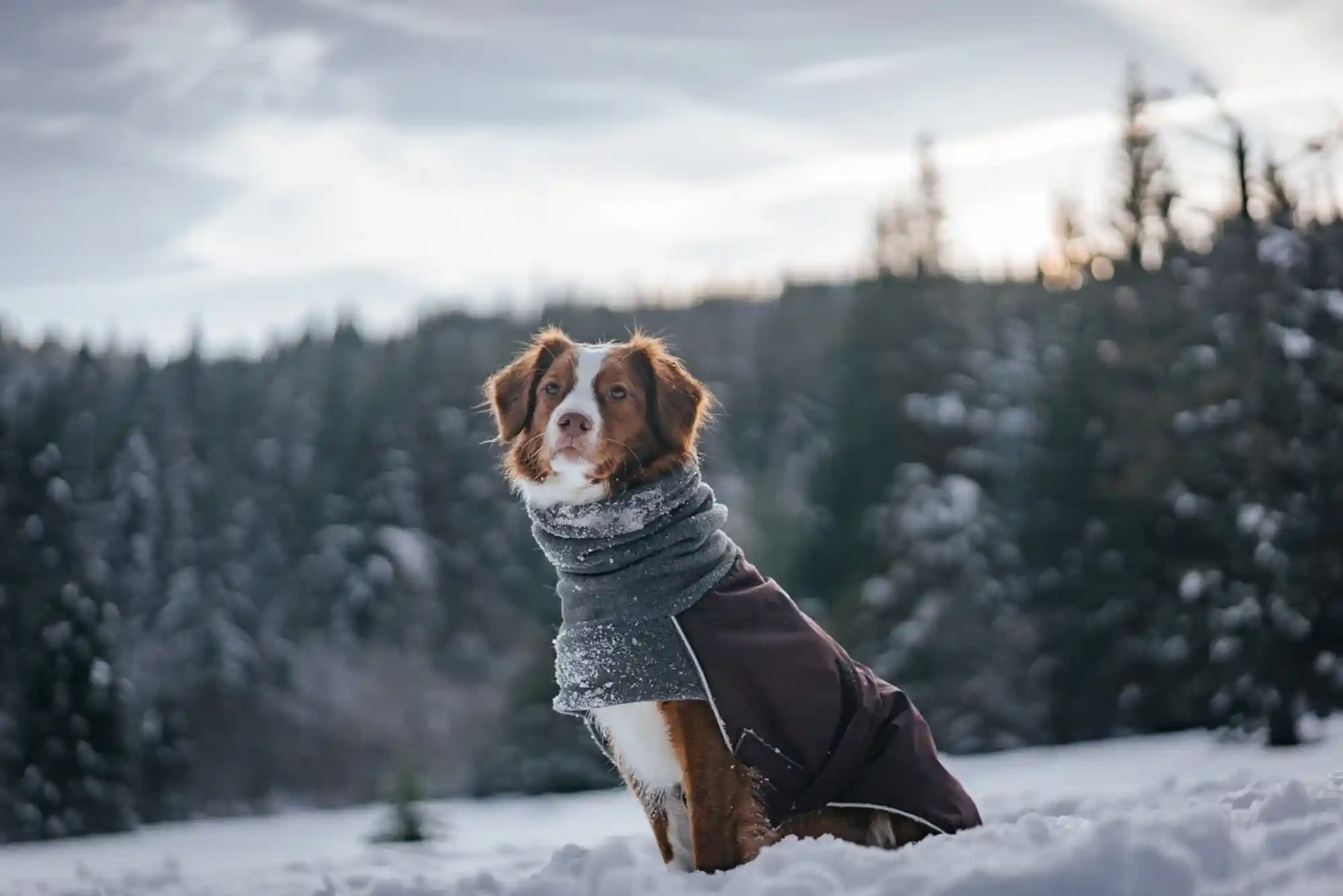
A winter coat provides an additional insulation layer. It can help keep the chest, back, and torso warmer during outdoor activities. This is especially useful when temperatures drop or wind and rain make conditions feel colder.


However, a coat should never replace good judgment. If conditions become dangerously cold, shortening the walk may be safer than relying on clothing.
What Makes the Best Winter Dog Coats and Waterproof Boots for Cold Weather?
The best winter dog coats and waterproof boots for cold weather combine warmth, weather resistance, comfort, and a secure fit. Good winter gear should allow your dog to walk, run, sit, and relieve itself naturally.
A coat should cover important areas without becoming restrictive. Ideally, it should protect the back and chest while leaving enough space around the legs and neck.
Water resistance is another important feature. A wet coat can reduce insulation and leave a dog uncomfortable. For rainy or snowy conditions, a waterproof outer layer can provide valuable protection.
Visibility also deserves attention. Winter days often become dark earlier. Reflective strips or bright materials can make dogs easier for drivers and other pedestrians to see.
Choosing the Right Winter Dog Coat
Selecting a winter coat starts with understanding your dog’s individual needs. Breed alone does not determine how much protection a dog requires.
Consider Your Dog’s Coat
Dogs with thick double coats often tolerate cold conditions better than short-haired breeds. Siberian Huskies and Alaskan Malamutes, for example, naturally have substantial insulation.
Short-haired dogs may benefit more from additional warmth. Greyhounds, Chihuahuas, and many small companion breeds can become uncomfortable quickly in cold weather.
A coat can also help dogs with shaved or recently trimmed fur. However, the amount of protection should always match the weather.
Measure Before Buying
A proper fit is essential for winter clothing. Measure your dog’s back from the base of the neck to the base of the tail.
Also measure the chest and neck according to the manufacturer’s instructions. Different brands use different sizing systems, so avoid relying only on breed or weight.
The coat should fit securely without pressing against the throat. Your dog should be able to move freely and walk naturally.
Look for Weather Protection
For cold and wet conditions, look for a coat with an insulated interior and water-resistant exterior. Wind-resistant materials can provide additional comfort during exposed walks.
A hood is not always necessary. In fact, some dogs dislike anything covering their head or ears. A well-designed body coat can provide enough protection without adding unnecessary bulk.
Why Waterproof Boots Matter in Winter
Winter conditions can be hard on canine paws. Ice, snow, road salt, and chemical deicers may cause irritation or discomfort.
Waterproof boots create a physical barrier between the paw and the ground. They can also reduce the amount of snow that becomes trapped between the toes.
This can be particularly useful for dogs with sensitive paws or long hair between their paw pads. Boots may also help prevent paws from becoming excessively wet during snowy walks.
However, dogs often need time to accept footwear. Introducing boots gradually can make the experience much easier.
How to Choose Waterproof Dog Boots
The best winter dog coats and waterproof boots for cold weather should work together as a complete protection system. Yet boots require careful attention to fit.
Check the Boot Size
Measure your dog’s paw while it is standing. The paw spreads under the dog’s weight, so measuring it while lifted may produce an inaccurate result.
A boot should feel secure without squeezing the toes. It should also stay attached during normal walking.
Boots that are too loose can fall off. Boots that are too tight may cause rubbing, pressure, or restricted movement.
Choose a Secure Closure
Adjustable straps can help keep boots in place. Velcro closures are common because they can be tightened around different paw shapes.
However, the closure should not press against the skin. Check the paws after walks for redness, rubbing, or other signs of irritation.
Consider the Sole
A durable sole can improve traction on slippery winter surfaces. It can also protect paws from rough ice and sharp debris.
Flexible soles are generally preferable for normal walking because they allow more natural paw movement. Very stiff footwear can feel uncomfortable, particularly for dogs unfamiliar with boots.
How to Introduce Boots to Your Dog
Most dogs do not immediately love wearing boots. Some may walk awkwardly or lift their paws dramatically during their first attempts.
Start indoors with one boot. Let your dog wear it briefly while receiving praise or treats. Remove it before your dog becomes frustrated.
Gradually increase the time. Once your dog becomes comfortable, introduce the remaining boots one at a time.
After indoor practice, take a short outdoor walk. Keep the first outdoor session brief and observe your dog’s movement.
With patience, many dogs become comfortable wearing boots during winter walks.
Signs Your Dog Is Too Cold
Even with winter clothing, watch your dog’s behavior carefully. Dogs can become cold despite wearing coats and boots.
Shivering is an obvious warning sign. However, other signs can include slowing down, lifting paws repeatedly, whining, weakness, or attempting to return home.
Some dogs may become unusually quiet or reluctant to continue walking. These signs should not be ignored.
If your dog appears significantly distressed by the cold, move indoors and warm them gradually. Seek veterinary advice if you are concerned about possible cold injury or hypothermia.
Winter Paw Care Without Boots
Boots are useful, but they are not the only way to protect paws. Regular inspection can help identify irritation early.
After winter walks, check between the toes and around the paw pads. Remove any packed snow, ice, dirt, or salt.
Washing paws with clean, lukewarm water can help remove irritating substances. Dry them carefully afterward.
A veterinarian-approved paw balm may also help support healthy paw skin. However, avoid products containing ingredients that could be harmful if your dog licks them.
Keeping paw hair neatly trimmed can also reduce the amount of snow that becomes trapped between the toes.
Coat and Boot Safety Tips
Never leave a dog unattended for long periods while wearing clothing or boots. Clothing can become caught on objects, while poorly fitted boots can cause discomfort.
Check your dog’s skin after wearing a coat. Look for rubbing around the neck, armpits, chest, and legs.
Also wash winter gear regularly. Dirt and moisture can build up inside coats and boots, creating unpleasant odors and potentially irritating the skin.
Most importantly, monitor your dog’s behavior. If your dog repeatedly tries to remove a coat or boot, investigate the fit before assuming they simply dislike it.
Do Small Dogs Need Winter Coats?
Many small dogs benefit from additional protection during cold weather. Their smaller bodies can lose heat relatively quickly.
Short-haired small breeds may become uncomfortable particularly quickly during cold walks. A properly fitted insulated coat can help maintain comfort.
However, temperature tolerance varies between individual dogs. Consider wind, moisture, activity level, coat type, age, and health when deciding whether clothing is appropriate.
Do Dogs Need Boots in Snow?
Not every dog needs boots in snow. However, boots can provide useful protection when snow is deep, icy, or treated with salt.
They can also protect paw pads from prolonged exposure to cold and moisture. Dogs with sensitive paws may benefit particularly from them.
If your dog refuses boots despite gradual training, focus on careful paw cleaning and shorter walks when conditions are harsh.
How Long Can Dogs Stay Outside in Winter?
There is no single safe time limit for every dog. Cold tolerance depends on breed, size, age, coat, health, weather, and activity.
A healthy, thick-coated dog may comfortably tolerate conditions that would quickly bother a small short-haired dog. Wind and wet conditions can also increase heat loss.
Instead of relying only on a timer, monitor your dog continuously. If they show signs of discomfort, head indoors.
Frequently Asked Questions
What is the best coat for a dog in winter?
The best coat depends on your dog’s size, coat type, activity, and local weather. Look for a comfortable fit, adequate insulation, and weather-resistant material.
At what temperature does a dog need a coat?
There is no universal temperature because dogs have different cold tolerances. Small, short-haired, young, and older dogs may need protection at milder temperatures.
Should dogs wear boots in cold weather?
Boots can protect paws from ice, snow, salt, and wet surfaces. They are especially useful when winter conditions are harsh or paw irritation is a concern.
How do I know if my dog’s boots fit correctly?
The boots should stay secure without squeezing the toes or causing rubbing. Your dog should be able to walk naturally without repeatedly trying to remove them.
How can I keep my dog’s paws safe in winter?
Inspect paws after walks and remove ice, snow, and salt. Wash and dry the paws when necessary, and consider suitable protective products or boots.
Conclusion
Choosing the best winter dog coats and waterproof boots for cold weather means considering your dog’s individual needs rather than simply buying the thickest gear available.