Introduction
Finding the right shampoo can make a noticeable difference when your dog constantly scratches, licks its paws, or develops dry, irritated skin. However, choosing the best dog shampoos for itchy, sensitive skin and flea relief requires more than picking a product that promises quick results. The right formula should clean the coat gently, support the skin’s natural moisture barrier, and address the specific problem affecting your pet.
Dogs can develop itching for several reasons, including fleas, environmental allergies, food sensitivities, dry skin, and skin infections. Because these conditions often look similar, a shampoo that works well for one dog may not help another. Some formulas are designed for gentle cleansing, while others contain veterinary-recommended ingredients for particular skin conditions or active flea treatments.
This guide explains how to choose the best dog shampoos for itchy, sensitive skin and flea relief, which ingredients deserve attention, and when professional veterinary care is necessary. With a suitable product and a consistent grooming routine, you can help your dog feel more comfortable while keeping its coat clean and healthy.
Understanding Why Your Dog Has Itchy Skin
Before selecting a shampoo, it is important to understand what might be causing the irritation. Bathing can remove dirt, allergens, and loose skin flakes, but it cannot resolve every underlying skin condition.
Fleas and Other External Parasites
Fleas are a common cause of persistent itching. Even a small number of flea bites can trigger intense discomfort in dogs with flea allergy dermatitis. You might notice scratching around the tail base, chewing near the hindquarters, or small black specks in the coat that resemble ground pepper.
A flea shampoo may help remove fleas present during bathing, depending on its active ingredients. However, it rarely provides complete, lasting control on its own. Effective flea management usually requires an appropriate veterinary-approved preventive and treatment of the dog’s environment.


Allergies and Environmental Irritants
Pollen, dust mites, grasses, and household cleaning products can irritate sensitive skin. Dogs with environmental allergies may repeatedly lick their paws, rub their faces, or scratch their ears.
A gentle, fragrance-free shampoo can help remove surface allergens and reduce irritation after outdoor activities. Nevertheless, frequent itching may require veterinary assessment and a broader allergy management plan.
Dry Skin and Skin Infections
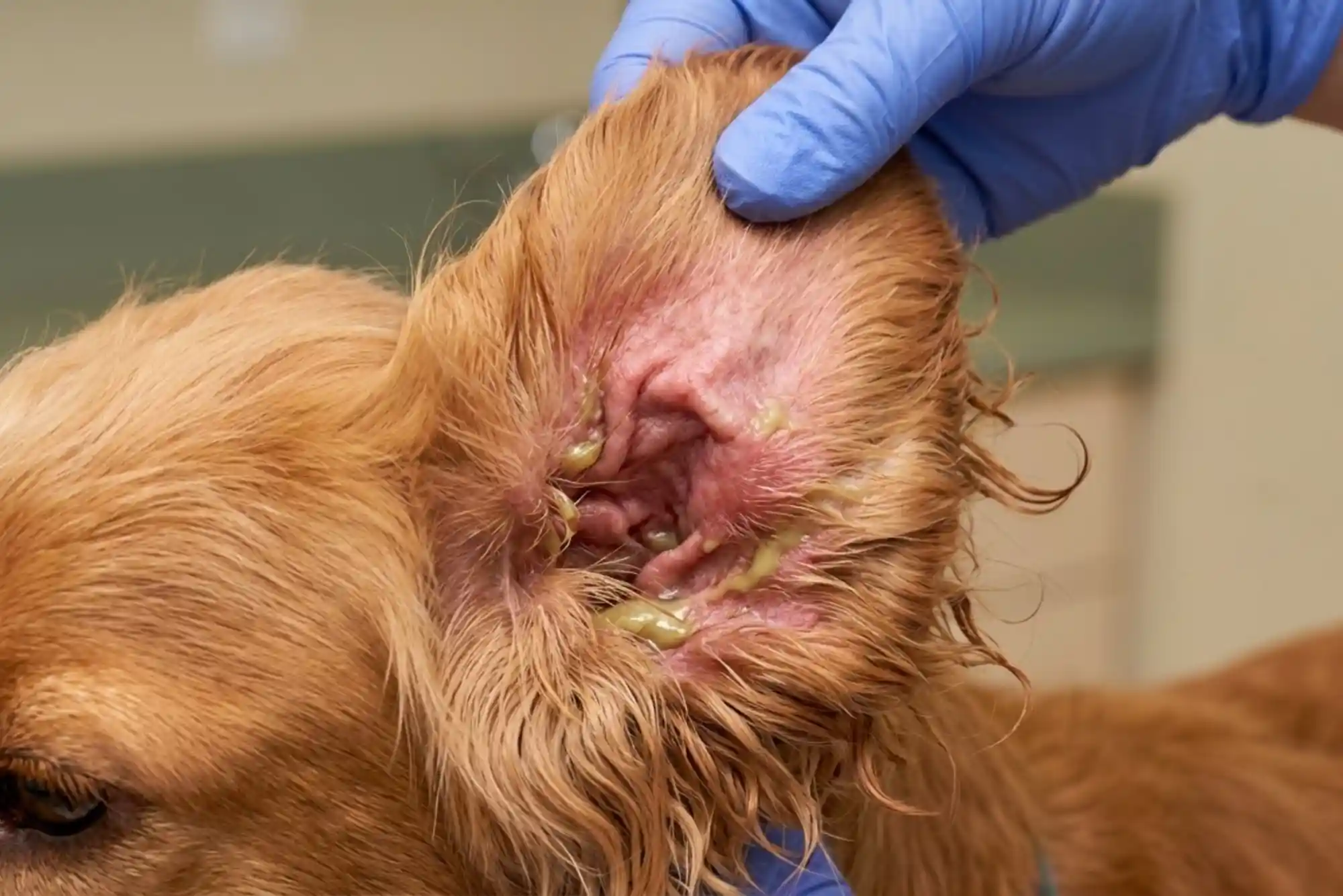
Dry indoor air, excessive bathing, harsh detergents, and unsuitable grooming products can contribute to flaky skin. Bacterial or yeast infections can also cause itching, redness, unpleasant odors, and greasy patches.
When an infection is responsible, an ordinary moisturizing shampoo may offer little relief. Your veterinarian may recommend a medicated formula containing specific active ingredients based on the diagnosis.
Best Dog Shampoos for Itchy, Sensitive Skin and Flea Relief
The most suitable shampoo depends on your dog’s symptoms, skin condition, age, and exposure to parasites. Rather than assuming one product works for every problem, compare formulas according to their intended purpose.
Gentle Hypoallergenic Shampoo for Sensitive Skin
Hypoallergenic dog shampoos are designed to minimize exposure to common irritants. Fragrance-free formulas with mild cleansing agents are often a sensible starting point for dogs with sensitive skin.
Look for products specifically formulated for dogs, with clear ingredient labels and directions for use. Avoid assuming that a product is completely allergen-free simply because it carries a hypoallergenic label.
These shampoos are particularly useful when the skin appears mildly dry or irritated without signs of infection. They can clean the coat without unnecessarily stripping away its natural oils.
Oatmeal Shampoo for Dry, Itchy Skin
Colloidal oatmeal is a popular ingredient in grooming products for dogs with dry or irritated skin. It can help soothe discomfort and support skin hydration, making it useful for some dogs experiencing mild itching.
An oatmeal-based shampoo may be appropriate when your dog has dry flakes or irritation associated with grooming products or environmental dryness. However, oatmeal does not treat fleas, bacterial infections, or every type of allergy.
Choose a veterinary-formulated product and monitor your dog’s response. If redness or scratching worsens after bathing, discontinue use and consult your veterinarian.
Veterinary Medicated Shampoo for Skin Problems
Medicated shampoos are formulated for specific dermatological conditions. Depending on the diagnosis, a veterinarian may recommend ingredients such as chlorhexidine for certain bacterial skin problems or an appropriate antifungal ingredient for yeast-related conditions.
These products should not be selected solely because your dog scratches frequently. Different infections require different treatments, and inappropriate use can delay effective care.
Follow the prescribed contact time and rinsing instructions carefully. Some medicated shampoos need to remain on the coat for several minutes to work as intended, while others have different directions.
Flea Shampoo for Dogs With Active Flea Problems
Flea shampoos are intended to kill or remove fleas during bathing, depending on their formulation. They can sometimes provide short-term assistance when a dog has an active infestation.
However, flea shampoos differ considerably in their active ingredients, effectiveness, and suitability for different ages and sizes of dogs. Read the label carefully and consult your veterinarian before using a product on puppies, pregnant dogs, nursing dogs, or pets with existing medical conditions.
A flea shampoo should not automatically replace a long-lasting flea preventive. Flea eggs and immature stages can remain in bedding, carpets, and other areas of the home, allowing the infestation to continue after the bath.
Moisturizing Shampoo for Dogs With Dry Coats
Dogs with dry, rough coats may benefit from moisturizing shampoos formulated to maintain hydration. Depending on the product, ingredients such as glycerin, ceramides, and suitable conditioning agents may help support the skin barrier and improve coat texture.
These products are most useful when dryness is the main concern. They are not substitutes for parasite control or treatment of an underlying skin disease.
Choose a gentle formula and avoid bathing too frequently, as repeated washing can worsen dryness in some dogs.
How to Choose the Best Dog Shampoo for Itchy Skin
Choosing the best dog shampoos for itchy, sensitive skin and flea relief becomes easier when you evaluate the ingredients, intended use, and condition of your dog’s skin.
Check the Ingredients Carefully
Start with the ingredient list rather than the fragrance or packaging. Colloidal oatmeal may help soothe dry skin, while moisturizing ingredients such as glycerin and ceramides can support hydration. Fragrance-free formulas are often preferable for dogs that react to scented products.
For suspected infections, ask your veterinarian whether a medicated shampoo is appropriate. The MSD Veterinary Manual’s guide to skin disorders in dogs provides veterinary background on canine skin health.
Choose a Formula Made Specifically for Dogs
Human shampoos are not automatically suitable for canine skin. Dogs have different skin characteristics, and products intended for people may cause irritation or dryness.
Select a shampoo labeled for dogs and appropriate for your pet’s age and skin condition. If your dog has particularly reactive skin, choose a simple formula with minimal fragrance and avoid introducing several new grooming products simultaneously.
Consider Your Dog’s Age and Medical History
Puppies, senior dogs, and pets with existing skin conditions may need special consideration. Some flea treatments have minimum age or weight requirements, while medicated shampoos may not be suitable for every animal.
Always follow the product label and seek veterinary advice if your dog is pregnant, nursing, unwell, or taking medication.
How to Bathe a Dog With Sensitive or Itchy Skin
Even the best dog shampoos for itchy, sensitive skin and flea relief may disappoint if you use them incorrectly. Gentle bathing helps remove dirt and allergens without adding unnecessary irritation.
Prepare the Coat Before Bathing
Brush your dog’s coat gently to remove loose hair, dirt, and minor tangles. Check for fleas, redness, scabs, hair loss, and irritated patches before getting the coat wet.
If you find open sores, painful skin, or extensive inflammation, speak with a veterinarian before bathing. Shampoo can sting damaged skin, and vigorous brushing may worsen the irritation.
Use Lukewarm Water and Gentle Movements
Wet the coat thoroughly with lukewarm water. Apply the shampoo according to the label, working it gently through the fur without scrubbing aggressively.
Avoid getting shampoo in your dog’s eyes, nose, mouth, or ears. If the product is medicated, follow its specific application and contact-time instructions rather than assuming a quick wash is sufficient.
Rinse Thoroughly and Dry Carefully
Shampoo residue can irritate sensitive skin, so rinse the coat thoroughly until the water runs clear. Pay attention to areas beneath the legs, around the belly, and between skin folds.
Pat your dog dry with a soft towel instead of rubbing vigorously. If you use a hair dryer, choose a cool or low-heat setting and keep it at a comfortable distance.
After the bath, observe your dog’s skin and behavior. If itching, redness, or discomfort increases, stop using the product and seek veterinary advice.
Flea Relief Requires More Than Shampoo
One of the most important things to understand about the best dog shampoos for itchy, sensitive skin and flea relief is that killing visible fleas does not necessarily eliminate an infestation.
Combine Bathing With Effective Flea Prevention
A flea shampoo may remove or kill some adult fleas, but it may not provide protection against reinfestation. Your dog can pick up new fleas from the home environment, outdoor areas, or other animals.
Ask your veterinarian to recommend an appropriate flea preventive based on your dog’s age, weight, health, and local parasite risks. The American Veterinary Medical Association’s parasite prevention resources offer further information about protecting pets from parasites.
Clean Your Dog’s Environment
Flea eggs and immature stages can develop away from the dog. Washing pet bedding, vacuuming carpets, and cleaning the areas where your dog rests can help reduce the environmental flea population.
If you have multiple pets, ask your veterinarian how to manage flea control for each animal. Cats and dogs have different product safety requirements, and certain dog flea treatments containing permethrin can be extremely toxic to cats.
Know When Flea Bites Need Veterinary Care
Some dogs develop flea allergy dermatitis, an intense reaction to flea saliva. These pets may continue scratching even when only a few fleas are present.
Persistent itching, scabs, hair loss, and damaged skin require veterinary assessment. A shampoo alone may not control the allergic reaction or treat a secondary infection. Read PetMD’s guide to flea allergy dermatitis in dogs for additional information.
Common Dog Shampoo Mistakes to Avoid
Bathing Too Frequently
Frequent bathing can remove protective oils and worsen dryness in some dogs. The ideal bathing schedule depends on coat type, skin condition, lifestyle, and the product being used.
Follow veterinary instructions if your dog needs regular medicated baths. For routine grooming, avoid bathing more often than necessary.
Using Human Products or Undiluted Home Remedies
Human shampoo, household detergents, and improvised cleaning mixtures can irritate your dog’s skin. Essential oils also deserve caution because some can be harmful to pets, particularly when concentrated.
Do not apply human anti-itch creams, insecticides, or other treatments without veterinary guidance. A product described as natural is not automatically safe for dogs.
Ignoring Persistent Symptoms
Changing shampoos repeatedly may delay treatment when the underlying cause is an allergy, parasite infestation, or infection.
Arrange a veterinary appointment if itching continues, returns frequently, or is accompanied by unpleasant odors, greasy skin, crusts, or hair loss. Severe pain, rapidly spreading lesions, or a sudden facial swelling reaction warrants prompt care. Difficulty breathing or collapse is an emergency.
Choose the Right Shampoo for Lasting Comfort
Finding the best dog shampoos for itchy, sensitive skin and flea relief starts with understanding why your dog is uncomfortable. Gentle oatmeal and moisturizing formulas may help soothe mild dryness, while flea shampoos can assist with removing or killing fleas during bathing. Medicated products serve a different purpose and should match the condition being treated.
Remember that healthy skin requires more than a clean coat. Appropriate flea prevention, careful grooming, thorough rinsing, and prompt attention to persistent symptoms all contribute to your dog’s comfort.
FAQs
What is the best shampoo for a dog with itchy skin?
The best shampoo depends on the cause of the itching. A gentle, fragrance-free oatmeal shampoo may help with mild dryness, while dogs with bacterial or yeast infections may need a veterinarian-recommended medicated product. Persistent itching should be investigated rather than treated with shampoo alone.
Can I use flea shampoo on a dog with sensitive skin?
Yes, if the product is specifically labeled for dogs and is suitable for your pet’s age, weight, and condition. However, some flea shampoos may irritate sensitive skin. Ask your veterinarian about a suitable flea-control option, especially if your dog already has redness, sores, or allergies.
Does oatmeal shampoo stop dogs from itching?
Oatmeal shampoo may soothe mild itching associated with dry or irritated skin. It can also help moisturize the coat, depending on the formulation. However, it does not eliminate fleas or cure bacterial and fungal infections, and it may not provide sufficient relief for dogs with significant allergies.
How often should I bathe a dog with itchy skin?
There is no single schedule that works for every dog. Some dogs benefit from occasional gentle baths, while certain skin conditions require a veterinarian-directed bathing routine. Follow the product instructions and avoid excessive bathing, which may worsen dryness.
Why is my dog still scratching after a flea bath?
Your dog may still be reacting to flea bites, or fleas may have returned from the environment. Other possible causes include environmental allergies, food sensitivities, mites, and skin infections. Effective flea prevention and veterinary assessment may be necessary if the itching continues.
Can dog shampoo kill fleas and their eggs?
Some flea shampoos kill adult fleas, but effectiveness against eggs and other flea life stages varies by product. A flea bath alone generally cannot eliminate an established infestation. Use an appropriate preventive and clean your dog’s bedding and resting areas as part of a broader flea-control plan.
What ingredients should I avoid in dog shampoo?
Avoid products containing ingredients your dog has previously reacted to, and be cautious with strong fragrances, harsh household detergents, and concentrated essential oils. Never assume a human shampoo is suitable for dogs. Check the full label and consult your veterinarian if your pet has a history of skin reactions.