Introduction
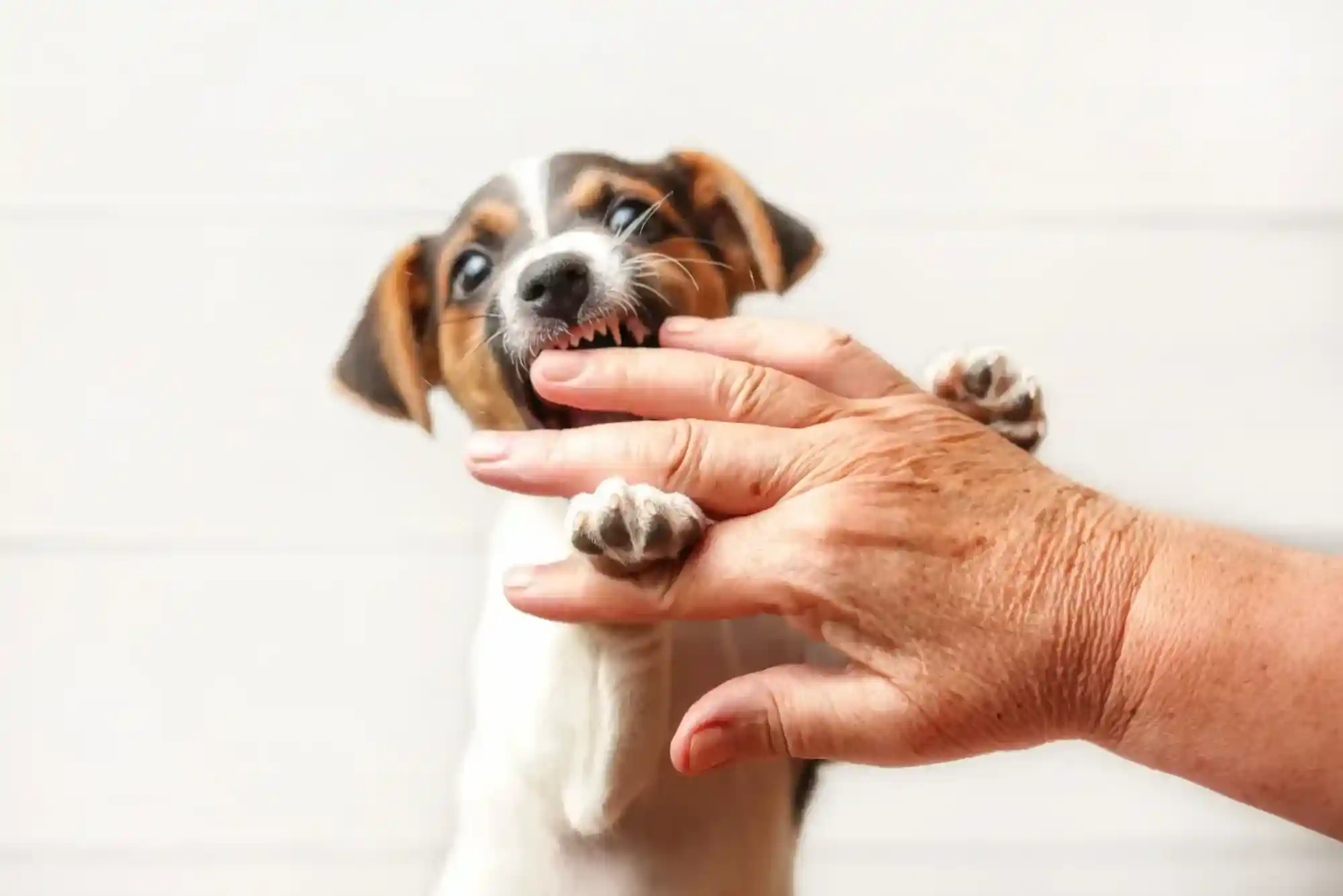
Bringing home a new puppy brings immense joy, but those needle-sharp teeth can quickly turn playtime into a painful experience. Every owner eventually faces the challenge of landshark behavior and wonders how to stop puppy biting and mouthing hands immediately. Puppies explore the world through their mouths much like human babies. They chew, nip, and mouth to investigate objects, play with littermates, and soothe aching gums during the teething phase. However, letting this behavior slide sets a bad precedent for adulthood. Teaching bite inhibition early ensures your puppy grows into a gentle, well-mannered companion. At Londonking , we emphasize positive reinforcement techniques that build trust while setting firm boundaries. This comprehensive guide explores actionable strategies to curb biting fast, protect your skin, and redirect that high-energy puppy brain toward appropriate outlets.
Understanding Why Puppies Bite
Puppies do not bite out of pure malice or aggression. Understanding the root causes helps you respond with patience rather than anger or physical punishment. When littermates play, they bite each other. If a puppy bites too hard, the other pup yelps and stops playing. This natural feedback teaches them Canine Bite Inhibition . When they join human families, they must learn that human skin is far more sensitive than dog fur. Teething is another major trigger. Between the ages of twelve weeks and six months, adult teeth push through sore gums, making chewing an absolute necessity. Boredom, overstimulation, and overtiredness also cause puppies to snap at moving hands and ankles. Recognizing these triggers allows you to proactively manage your environment and prevent biting before it starts. For a deeper dive into foundational obedience, check out our comprehensive Puppy Training Pillar resource to support your journey.
Immediate Strategies to Stop Biting
When your puppy locks onto your fingers, your immediate reaction dictates future behavior. High-pitched squeaks and frantic movements mimic prey and excite the puppy even more. Instead, master the art of the freeze. Become as boring as a statue the moment teeth touch your skin. Cross your arms, turn your head away, and avoid all eye contact. This withdrawal of attention acts as a powerful negative punishment because the puppy loses the best thing in the room: you. If freezing does not work, use a brief timeout. Calmly stand up, step away behind a baby gate, or leave the room for thirty seconds. This teaches cause and effect very clearly. Teeth on skin equals the fun ending instantly. Consistency across all family members is crucial. If one person allows mouthing while another corrects it, the puppy remains utterly confused.
Redirecting to Appropriate Toys
Stopping the unwanted behavior requires providing a legal alternative. Always keep a sturdy chew toy or rope toy tucked in your pocket or nearby furniture. The exact second your puppy reaches for your hand, gently substitute your skin with the toy. Praise them enthusiastically the moment their teeth latch onto the correct object. This redirection teaches them what is acceptable to chew. Interactive puzzle toys and frozen washcloths also offer immense relief during the heavy teething phase. Burn off physical and mental energy daily through structured games of fetch and short training sessions. A tired puppy has far less stamina to chase and shred your hands. Rotate their toy collection weekly to keep novelty high and prevent boredom-driven nipping.
Managing Overstimulation and Triggers
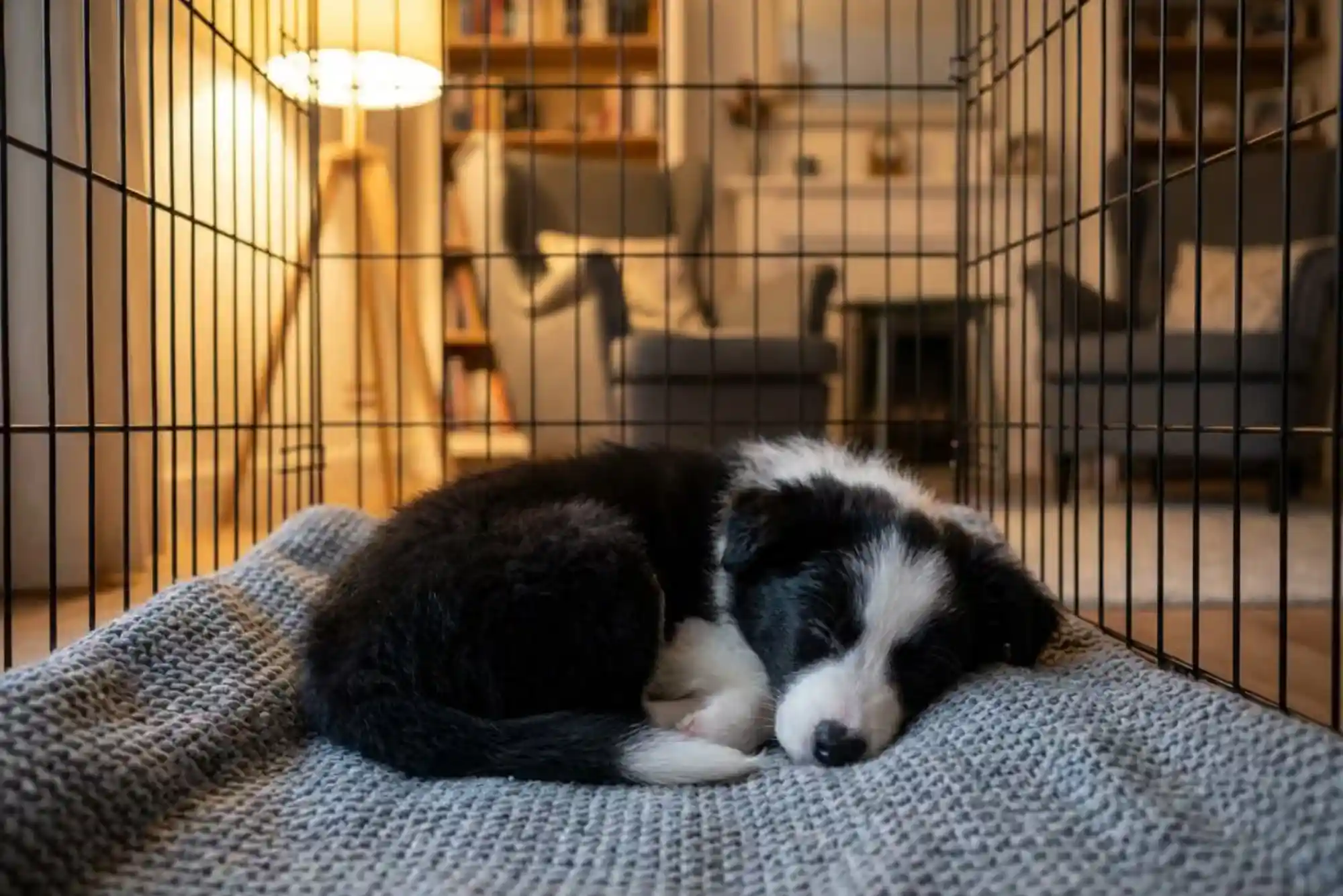
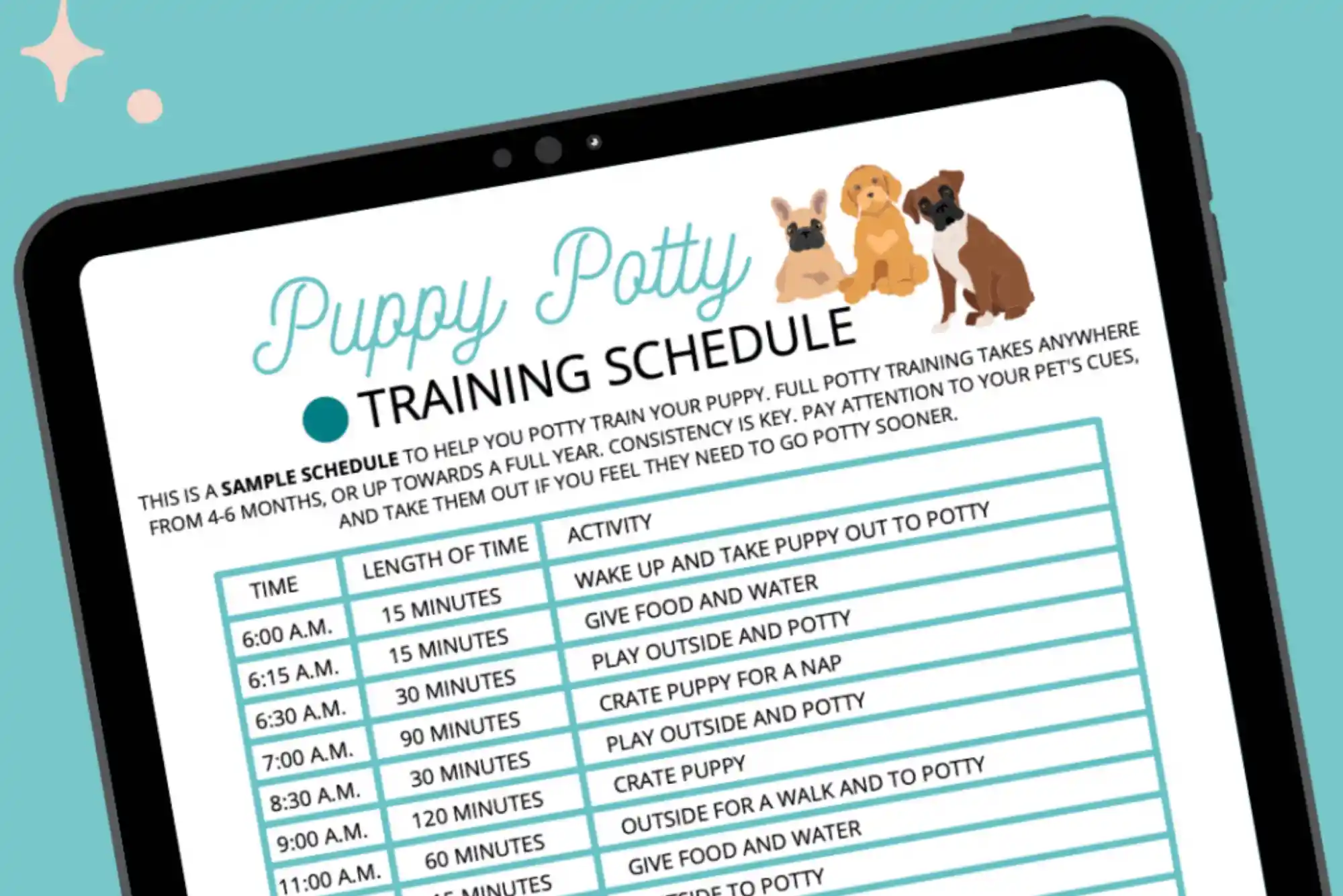
Many puppies turn into tiny terrors during the late afternoon witching hour. This frantic biting usually signals severe overtiredness. Just like human toddlers, overstimulated puppies lose emotional regulation and bite compulsively. Enforce regular nap schedules throughout the day inside a cozy crate or pen. Puppies need up to eighteen hours of sleep daily to process new information and regulate their nervous systems. Avoid rough wrestling games that encourage your hands to become targets. Teach children in the household to remain calm and avoid running past the puppy, as fast movements trigger predatory chase instincts. Managing the physical environment drastically reduces the frequency of biting incidents.
Advanced Training Techniques for Bite Inhibition
As your puppy matures, refine their bite inhibition through controlled pressure games. Allow them to gently mouth your hand while monitoring the pressure they apply. The moment they exert uncomfortable pressure, let out a sharp yelp and withdraw your hand. Over several sessions, lower your threshold so that even moderate pressure results in the game stopping. Soon, your puppy learns to regulate their jaw strength with incredible precision. Combine this with the leave-it cue using high-value treats. Mastering impulse control builds a solid foundation for all future obedience work and ensures safety around guests and children.


Frequently Asked Questions
Why does my puppy bite my hands harder when I say no?
Saying no in a high voice sounds like squeaky toy sounds to a puppy. They interpret high-pitched scolding as an exciting game of chase, which fuels the biting behavior. Silence and physical withdrawal work far better than verbal corrections.
When do puppies stop teething and biting?
Most puppies finish losing their baby teeth and growing adult teeth around six to seven months of age. Consistent training through this window ensures the biting phase ends smoothly rather than persisting into adulthood.
Should I use physical corrections for puppy biting?
Physical punishments like tapping the nose or holding the muzzle shut damage trust and often trigger defensive aggression. Positive punishment through the removal of attention yields much faster and safer results.
How do I stop my puppy from biting pant legs and ankles?
Motion triggers chasing instincts. Stand completely still like a tree when your puppy targets your ankles, or carry a toy to redirect their focus downward onto an acceptable object before moving.
Conclusion
Stopping puppy biting requires patience, consistency, and a clear understanding of canine development. By replacing emotional reactions with strategic freezes, timeouts, and toy redirections, you guide your puppy toward polite habits. Every successful redirection builds a stronger bond of mutual respect between you and your canine companion. Stay consistent through the teething months and your perseverance will pay off handsomely. Ready to master the rest of your puppy’s milestones? Explore our expert guides at Londonking today and transform your training routine into a seamless success.